

Alternatives to Autheo
Autheo is a unified Layer-0 OS and Layer-1 blockchain that streamlines identity, compute, storage, and AI for seamless Web3 development.
Explore 12 alternatives to Autheo. Compare features, pricing, and find the best fit for your needs.

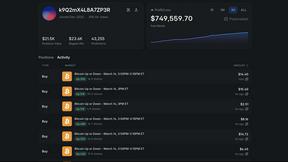
Polymarket Trading Bot For Crypto
Automate high-frequency arbitrage and directional trading on Polymarket's 5-15 minute crypto markets with transparent, emotion-free execution.


Bitcoin Loans Market
Bitcoin Loans Market enables smart comparisons of Bitcoin-backed loans, helping you choose the best option based on your holdings.

MadeOnSol
Discover and utilize over 1,000 Solana tools, track KOL trades live, and access real-time intel with a free API at MadeOnSol.

Perpfinder
Stop wasting clicks, Perpfinder delivers live perpetual data from 85+ exchanges in one lightning-fast dashboard.

CreateMyCoin
CreateMyCoin enables anyone to launch a Solana token in just 60 seconds, no coding needed, with full metadata support and minimal fees.

Collab Chain
Collab Chain transforms royalty statements into verifiable, tamper-proof proof of credits and splits for music creators.

Indexify
Indexify lets you instantly invest in expert crypto strategies with a self-custody wallet.

Treno.Finance
Treno.Finance empowers crypto investors with instant risk insights and professional management tools for smarter.

Roast My Web
Roast My Web delivers instant, actionable website audits in just 2 minutes to boost sales and enhance client.

About Autheo Alternatives
Autheo is an innovative Layer-0 Operating System that seamlessly integrates a Layer-1 blockchain, designed to unify identity, compute, storage, developer tooling, and AI capabilities within a single interoperable environment. It serves as a robust foundation for the connected, intelligent web, making it a unique player in the blockchain and crypto category. As the digital landscape evolves, users often seek alternatives to Autheo to meet specific needs and preferences, whether it be due to pricing considerations, feature sets, or compatibility with existing platforms. When choosing an alternative to Autheo, users should assess several key factors. It's essential to evaluate the specific features and functionalities that align with their project requirements, including scalability, security, and ease of use. Additionally, understanding the pricing models and support options available is crucial, as these can significantly impact the overall experience and effectiveness of the chosen solution. Ultimately, the right alternative will depend on individual needs and the desired outcomes of the project.
FAQs about Autheo Alternatives
What is Autheo?
Autheo is a Layer-0 Operating System that integrates a Layer-1 blockchain, providing a unified environment for identity management, computing, storage, developer tools, and artificial intelligence capabilities. This innovative platform aims to enhance the development of connected applications and services, streamlining various processes within the digital ecosystem.
Who is Autheo for?
Autheo is designed for developers, businesses, and organizations looking to leverage blockchain technology and AI in their operations. It caters to those who require an interoperable environment for building and deploying applications while ensuring seamless integration of identity and compute functionalities.
Is Autheo free?
Autheo's pricing structure is not specified in the provided content, but users should investigate the platform's cost model based on their specific usage needs and the features they require. Typically, platforms in this space may offer different pricing tiers based on functionality, user access, and other factors.
What are the main features of Autheo?
The main features of Autheo include its Layer-0 Operating System architecture, which supports a Layer-1 blockchain, enabling a comprehensive suite of tools for identity management, computing, storage, and AI capabilities. This unification allows developers to create and manage applications more efficiently, making it easier to build intelligent and connected web solutions.