
RedVeil vs SVG to 3D
Side-by-side comparison to help you choose the right product.

RedVeil
RedVeil delivers rapid, AI-powered penetration testing to uncover vulnerabilities and provide actionable insights.
Last updated: February 27, 2026
SVG to 3D
Instantly transform your SVG files into stunning, web-ready 3D models with fast, high-quality conversion tools.
Last updated: February 27, 2026
Visual Comparison
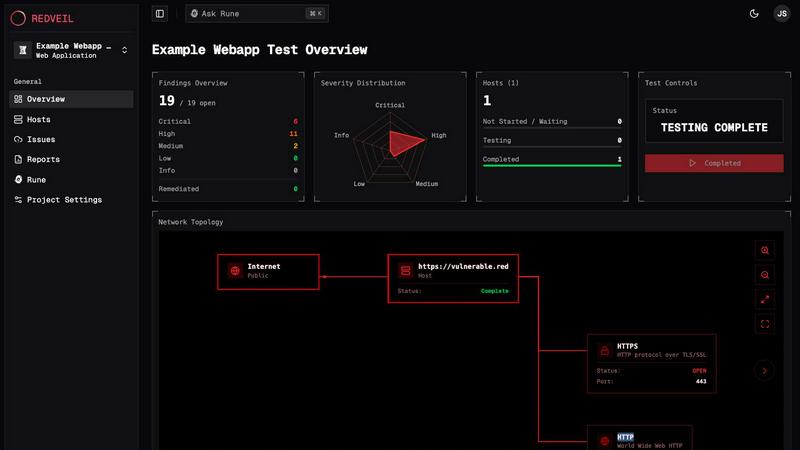
RedVeil
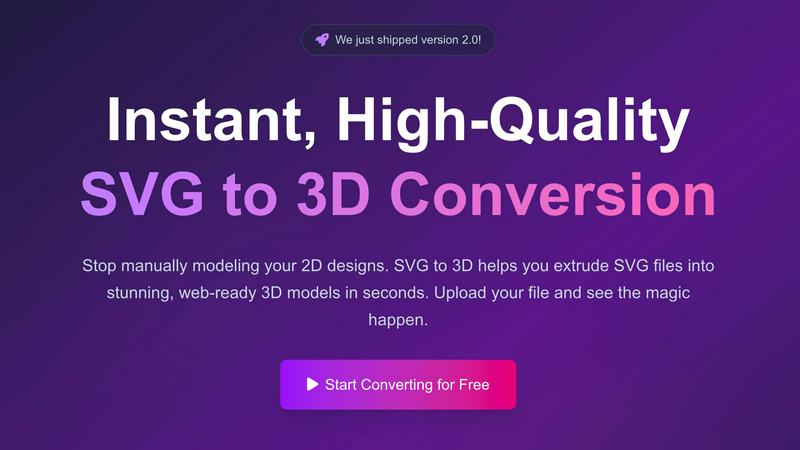
SVG to 3D
Feature Comparison
RedVeil
AI-Powered Testing
RedVeil utilizes advanced AI agents that can reason through complex, multi-step attack chains. This allows for the identification of real, exploitable vulnerabilities in your systems with remarkable speed and accuracy, ensuring you receive actionable insights in record time.
One-Click Retesting
After remediation, RedVeil offers a seamless one-click retesting feature. This allows teams to verify vulnerabilities have been addressed without the need for repeated scheduling, making it easier and faster to maintain security standards.
Compliance-Ready Reporting
Generate professional, audit-ready reports with just a click. RedVeil’s reports are tailored to meet various compliance standards, including SOC 2, ISO 27001, and PCI-DSS, ensuring that you are always prepared for audits and assessments.
Flexible Testing Scheduling
RedVeil provides the flexibility to allocate and schedule penetration testing according to your needs. Users can initiate tests on-demand, ensuring that security assessments align perfectly with their development cycles and compliance requirements.
SVG to 3D
One-Click GLB Export
With SVG to 3D, you can export your designs as lightweight GLB files with a single click. These files are perfectly optimized for web use, allowing developers to seamlessly integrate 3D models into frameworks like Three.js and React Three Fiber, enhancing the user experience of their websites.
3D Printing Ready STL Exports
The tool supports direct STL exports, making it incredibly easy to prepare your designs for 3D printing. You can take your logos, custom parts, or artwork straight from SVG to a 3D-printable format without needing any additional software, ensuring a smooth workflow from design to production.
Real-Time 3D Model Adjustments
SVG to 3D goes beyond basic extrusion by offering users the ability to fine-tune various aspects of their 3D models, including thickness, bevels, and PBR materials. The real-time preview feature allows you to visualize changes instantly, ensuring you achieve the perfect look for your project.
Privacy and Security Focus
Your design files are processed locally in your browser, ensuring your creations remain private and secure. Unlike many online tools that require file uploads to external servers, SVG to 3D prioritizes your privacy, making the conversion process both safe and efficient.
Use Cases
RedVeil
Continuous Security Monitoring
For organizations that frequently deploy updates, RedVeil enables continuous security monitoring. Teams can initiate tests whenever changes are made to the environment, ensuring that new vulnerabilities are identified and addressed promptly.
Compliance Preparation
Businesses preparing for compliance audits can leverage RedVeil’s audit-ready reports to meet regulatory requirements efficiently. Regular testing and detailed reporting streamline the audit process, reducing stress and ensuring adherence to standards.
Incident Response Validation
In the aftermath of a security incident, RedVeil can be employed to validate the effectiveness of incident response measures. By conducting a thorough penetration test, teams can uncover any lingering vulnerabilities and strengthen their defenses against future threats.
Risk Assessment for Development Teams
Development teams can utilize RedVeil during the software development lifecycle to conduct risk assessments before product launches. This proactive approach helps identify and mitigate security risks early, reducing the likelihood of vulnerabilities in production environments.
SVG to 3D
Create Interactive 3D Web Elements
Web developers can transform their SVG icons into stunning 3D models that enhance their websites. By utilizing the optimized GLB export, developers can create engaging and interactive user experiences that capture the attention of visitors.
Rapid Prototyping for 3D Printing
Designers can quickly turn their 2D designs into physical objects by exporting them as STL files ready for 3D printing. This capability is invaluable for creating prototypes, custom parts, or art pieces without the need for complex CAD software.
Elevate UI/UX Designs with Depth
UI/UX designers can add depth and realism to their mockups by converting SVG elements into 3D models. This feature allows for impressive presentations that stand out to clients and stakeholders, showcasing design concepts with a more tangible feel.
Streamlined Workflow for Developers
SVG to 3D integrates seamlessly into the workflows of developers using tools like Figma. This means they can quickly convert their designs into 3D models without leaving their design environment, saving time and improving productivity.
Overview
About RedVeil
RedVeil revolutionizes the landscape of penetration testing by combining the intricate reasoning of human hackers with the lightning-fast capabilities of AI technology. Designed for modern engineering teams that deploy code daily, RedVeil eliminates the lengthy and costly traditional pentesting processes that often take weeks to complete. Instead, it empowers users to initiate a full, autonomous penetration test in just minutes. This means you can receive a comprehensive, actionable, and audit-ready report by the afternoon. RedVeil is ideal for security teams, developers, and compliance officers who need swift and reliable security assessments to protect their digital assets. With RedVeil, you can ensure your applications are secure without the delays associated with conventional testing methods.
About SVG to 3D
SVG to 3D is a revolutionary online tool designed to streamline the process of converting 2D SVG vector graphics into stunning, high-quality 3D models. This tool specifically addresses the frustrations of designers and developers who require quick and efficient conversions without the overhead of complex software like Blender or Cinema 4D. With SVG to 3D, users can transform their logos, icons, and other graphic designs into interactive 3D assets with just a few clicks. It is perfect for web developers, graphic designers, and 3D printing enthusiasts looking for a fast, reliable solution to enhance their projects. The primary value proposition lies in its ability to deliver high-quality 3D models optimized for web use, ensuring that users can elevate their digital and physical designs in minutes, not hours.
Frequently Asked Questions
RedVeil FAQ
Does RedVeil perform a real penetration test?
Yes, RedVeil conducts genuine penetration tests using advanced AI technology to identify exploitable vulnerabilities and provide actionable remediation steps, mimicking the depth of human testers.
How many penetration tests can I do with my annual subscription?
The number of penetration tests you can perform depends on your chosen subscription tier, with options that allow for various testing frequencies and scopes to meet your specific needs.
Is there a chance that my web application or network could go down during the test?
RedVeil is designed to minimize the risk of disruption during testing. However, it is essential to assess the potential impact based on your specific environment and configurations before initiating a test.
What types of testing do you offer? Is authenticated testing supported?
RedVeil offers various testing types, including external web and network testing. Authenticated testing is also supported to provide a comprehensive assessment of your security posture from multiple angles.
SVG to 3D FAQ
How does SVG to 3D work?
SVG to 3D works by allowing users to upload their SVG files directly into the browser. The tool then uses optimized algorithms to convert the 2D graphics into 3D models, which can be adjusted in real-time before exporting.
What file formats can I export my 3D models in?
You can export your completed 3D models in multiple formats, including GLB, GLTF, OBJ, and STL. This flexibility ensures compatibility with various 3D applications and printing software.
Is there a limit to the file size I can upload?
Yes, you can upload SVG files with a maximum size of 5 MB. This limit helps ensure fast processing times and optimal performance when converting your designs.
Do I need to register or pay to use SVG to 3D?
No, SVG to 3D is completely free to use and does not require any registration. You can start converting your SVG files to 3D models instantly, with no hidden fees or subscriptions.
Alternatives
RedVeil Alternatives
RedVeil is an innovative solution in the realm of penetration testing, harnessing the power of agentic AI to provide on-demand services that reveal vulnerabilities in software systems. As traditional pentesting methods often lag behind the rapid pace of modern engineering, users frequently seek alternatives to address issues like high costs, lengthy turnaround times, and limited flexibility in testing schedules. When searching for alternatives, consider factors such as pricing structures, the depth of analysis provided, ease of integration with your existing platforms, and the capability to produce audit-ready reports. It’s essential to select a solution that aligns with your team's needs, allowing for efficient remediation and continuous security validation.
SVG to 3D Alternatives
SVG to 3D is a powerful tool designed to transform 2D SVG vector graphics into stunning 3D models. This product falls under the category of AI Assistants, specifically tailored for designers, developers, and 3D printing enthusiasts looking to streamline their workflow. Users often seek alternatives due to various reasons such as pricing, specific feature requirements, or compatibility with their preferred platforms. When selecting an alternative, it's crucial to consider factors like ease of use, output quality, and integration capabilities with other software or development frameworks. Evaluating whether the tool aligns with your specific needs, such as support for web exports or 3D printing, will ensure you find the best fit for your projects.