
Fallom vs Requestly
Side-by-side comparison to help you choose the right product.

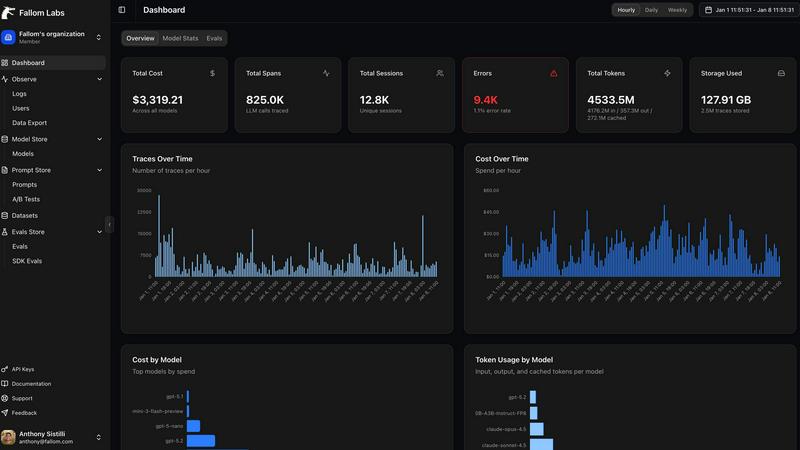
Fallom delivers instant, real-time observability for LLM calls and agent interactions, ensuring efficient tracking and.
Last updated: February 28, 2026

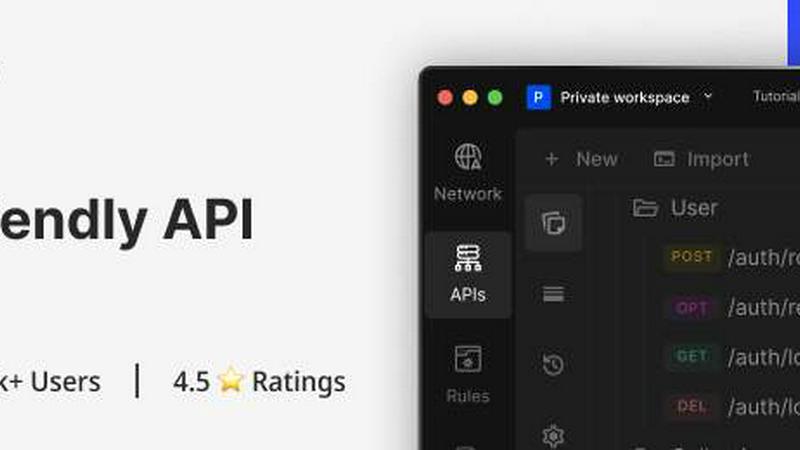
Requestly is a fast, git-based API client that enables easy collaboration without login, making API testing effortless and efficient.
Visual Comparison
Fallom
Requestly
Overview
About Fallom
Fallom is the cutting-edge observability platform designed specifically for teams working with production-level large language models (LLMs) and AI agent applications. With its lightning-fast performance and AI-native architecture, Fallom simplifies the complexities of modern AI stacks, offering unparalleled visibility into every single LLM call. In less than five minutes, users can integrate the OpenTelemetry-native SDK into their applications to gain real-time insights into prompts, outputs, tool calls, tokens, latency, and per-call costs. This powerful tool is tailored for engineering and product teams, enabling them to monitor live usage, debug intricate multi-step workflows, and accurately allocate AI expenditures across different models, users, and teams. Fallom serves as an enterprise-ready command center for AI operations, providing essential session-level context, timing waterfalls, and comprehensive audit trails, all of which are necessary for compliance and effective scaling.
About Requestly
Requestly is a modern, lightweight API client designed specifically for development teams that prioritize control and efficiency in their API workflows. Unlike traditional cloud-based solutions, Requestly operates with a local-first approach, ensuring that your data remains secure and stored directly on your machine. This is a significant advantage for teams looking to maintain version control over their API collections, as Requestly allows collections to be stored as files that can easily integrate with Git. With the power of AI integrated into its core, Requestly not only streamlines the process of writing requests and generating tests but also enhances debugging capabilities, making it faster and easier for developers to work with APIs. It supports both REST and GraphQL, offering features like schema introspection, pre/post request scripts, and environment variables. The platform also encourages collaboration with its free-tier features, which include shared workspaces and role-based access control. With no sign-up required, developers can start using Requestly immediately, a feature that has gained the trust of over 300,000 users from top companies like Microsoft, Amazon, Google, and Adobe.