
Image3D AI vs Postproxy
Side-by-side comparison to help you choose the right product.

Image3D AI
Transform any 2D image into high-quality 3D models in minutes with Image3D AI, no 3D skills required.
Last updated: March 1, 2026

Postproxy
Postproxy simplifies social media publishing by unifying multiple platforms through a single, efficient API.
Last updated: February 27, 2026
Visual Comparison
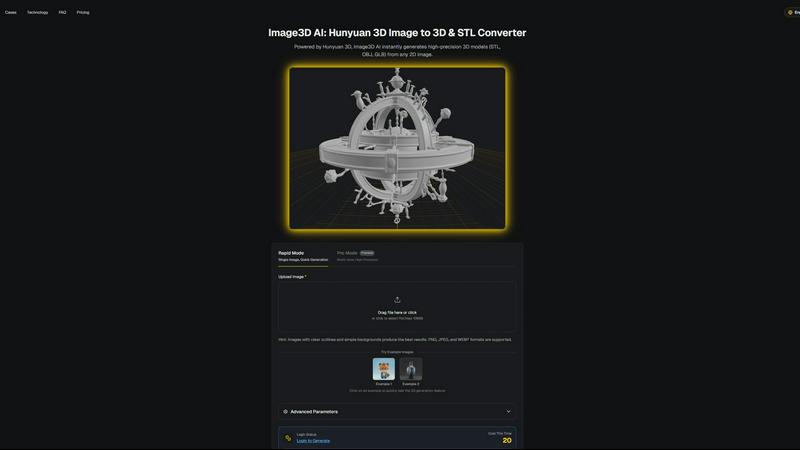
Image3D AI
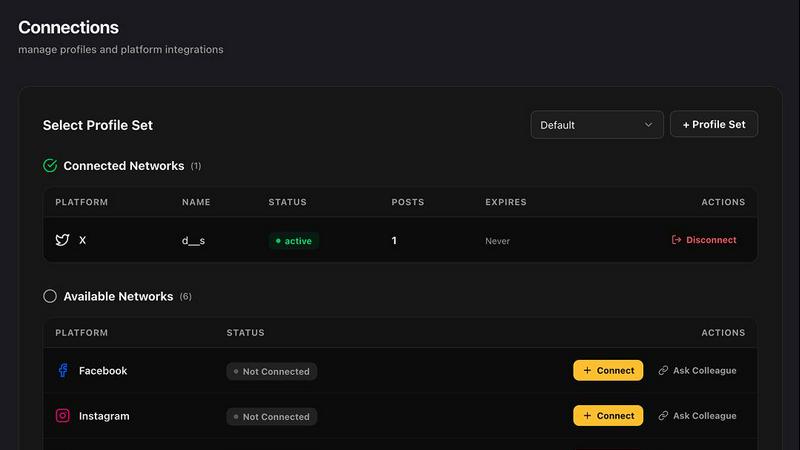
Postproxy
Feature Comparison
Image3D AI
Rapid Mode
Rapid Mode allows users to generate 3D models from a single image quickly. Ideal for those needing fast results, this feature is perfect for converting logos or simple designs into 3D assets without compromising quality.
Pro Mode
Pro Mode takes 3D modeling to the next level, allowing users to upload multi-view images for high-precision conversions. This mode is designed for professionals who require intricate detail and accuracy in their 3D models.
Versatile File Formats
Image3D AI supports multiple file formats, including STL, OBJ, and GLB. This versatility ensures that users can easily integrate their 3D models into various applications, whether for 3D printing, game development, or web use.
User-Friendly Interface
The platform features a straightforward, intuitive interface that enables users of all skill levels to create stunning 3D models effortlessly. With simple drag-and-drop functionality, users can upload images and generate models in just a few clicks.
Postproxy
Unified API
Postproxy offers a single API that handles the intricacies of multiple social media platforms, eliminating the need for individual integrations. This means you can publish to various networks seamlessly from a single endpoint, vastly simplifying your workflow.
Automated Content Adaptation
With Postproxy, content is automatically transformed to meet the specific requirements of each platform. This feature ensures that your posts maintain their integrity and effectiveness, regardless of where they are published, saving you time on manual adjustments.
Robust Error Handling
The API is designed to manage operational failures intelligently. It incorporates automatic retries, handles rate limits, and is aware of quotas, ensuring that your publishing process is smooth and reliable even in the face of unexpected issues.
Clear Publishing States
Postproxy provides explicit publish states, allowing users to know exactly what posts succeeded, what failed, and the reasons behind any failures. This transparency minimizes the need for manual checks and boosts confidence in your publishing pipeline.
Use Cases
Image3D AI
Game Development
Game developers can leverage Image3D AI to rapidly create game-ready 3D assets from concept art or sketches. The platform's PBR material support allows for seamless integration into popular game engines like Unity and Unreal Engine.
E-commerce
E-commerce businesses can convert product images into interactive 3D models, providing customers with engaging AR previews. This enhances the online shopping experience, allowing potential buyers to view products from all angles.
3D Printing
Image3D AI acts as an efficient STL converter, delivering high-precision, print-ready files for 3D printing. Users can transform their ideas into tangible products quickly, saving time and resources in the prototyping process.
Architecture & Design
Architects and designers can utilize Image3D AI to generate architectural models swiftly. This feature significantly reduces the time spent on manual modeling, enabling professionals to focus on creativity and project development.
Postproxy
Automated Social Media Marketing
Marketing teams can leverage Postproxy to automate their social media campaigns. By integrating content generation tools and scheduling features, they can publish tailored posts across platforms effortlessly, maximizing their outreach.
Streamlined Content Distribution
Content creators can use Postproxy to distribute their work across multiple social networks simultaneously. This ensures that their audience receives updates in real-time without the hassle of manual posting on each platform.
Efficient Brand Management
Companies managing multiple brands and accounts can utilize Postproxy to streamline their social media presence. By linking various accounts through a single API, they can maintain control over permissions and access while simplifying their operational processes.
Scalable Publishing Solutions
For businesses experiencing growth, Postproxy offers the scalability needed for increased publishing demands. Whether publishing ten posts or ten thousand, the API maintains consistent logic and performance, allowing users to focus on their content strategy.
Overview
About Image3D AI
Image3D AI is a revolutionary tool that leverages cutting-edge artificial intelligence to transform static 2D images into breathtaking, production-ready 3D models within seconds. Powered by Tencent's advanced Hunyuan 3D engine, this innovative platform caters to a diverse audience, ranging from casual 3D printing enthusiasts to professional game developers. Its user-friendly interface requires no prior 3D modeling skills, making it accessible for anyone looking to create high-fidelity assets effortlessly. Users can generate models from a single image or multiple views, ensuring seamless integration into various workflows like prototyping, 3D printing, and enhancing visual experiences in gaming and e-commerce. With Image3D AI, creativity knows no bounds, as it streamlines the creative process and turns imaginative ideas into tangible 3D objects in no time.
About Postproxy
Postproxy is a cutting-edge API solution designed to streamline social media publishing across multiple platforms, including Instagram, Facebook, YouTube, LinkedIn, and X. It simplifies the complexities of social media integration by providing a unified endpoint that automates OAuth processes, rate limits, and retries, while also adapting content and delivering analytics. This tool is particularly beneficial for developers and automators who leverage platforms like n8n, Zapier, and CI/CD pipelines. With Postproxy, publishing becomes a predictable infrastructure layer, allowing users to generate AI content, route it according to predefined rules, and publish at scale without the hassle of manual adjustments. The platform offers a free plan, enabling users to scale their publishing needs as they grow, making it an optimal choice for teams seeking reliability and efficiency in their social media strategies.
Frequently Asked Questions
Image3D AI FAQ
How does Image3D AI convert 2D images to 3D models?
Image3D AI uses advanced algorithms powered by the Hunyuan 3D engine to analyze 2D images and generate detailed 3D models. The AI infers depth and structure from the images, producing high-fidelity assets efficiently.
What file formats can I export my 3D models in?
You can export your 3D models in various formats, including STL for 3D printing, OBJ for editing in multiple 3D software, and GLB for web and AR applications. This flexibility allows users to choose the best format for their needs.
Are there any specific image requirements for optimal results?
Yes, for the best results, we recommend using high-contrast images with clear outlines and simple backgrounds. Avoid blurry or low-light images, as they can hinder the AI's ability to generate accurate 3D models.
What types of projects can benefit from Image3D AI?
Image3D AI is versatile and can enhance projects in various fields, including game development, e-commerce, 3D printing, and architecture. Its ability to generate high-quality 3D models from 2D images makes it suitable for a wide range of applications.
Postproxy FAQ
How does Postproxy simplify social media publishing?
Postproxy replaces the chaos of individual platform integrations with a single API that automates OAuth, content adaptation, and error handling. This makes publishing efficient and reliable.
Is there a free plan available for Postproxy?
Yes, Postproxy offers a free plan that allows users to get started without any upfront costs. This enables teams to explore the platform and scale their usage as needed.
What types of content can be published using Postproxy?
Postproxy supports a variety of content types, including text, images, and videos, and it automatically adapts them according to the specifications of each social media platform.
How does Postproxy handle operational failures?
The API is designed to manage failures gracefully, implementing automatic retries and handling rate limits. This ensures that issues are dealt with proactively, minimizing disruptions in your publishing workflow.
Alternatives
Image3D AI Alternatives
Image3D AI is an innovative tool that falls under the category of design software, specifically engineered to transform 2D images into high-quality 3D models in a matter of seconds. With its powerful AI-driven capabilities, it appeals to a broad audience, including 3D printing enthusiasts, game designers, and anyone seeking to enhance their visual projects. However, users often seek alternatives due to various reasons such as pricing, feature sets, and specific platform compatibility that may better suit their individual needs. When searching for an alternative to Image3D AI, consider factors such as the variety of export formats available, the quality of material generation, and the flexibility of modes offered. It's also essential to evaluate the user interface and overall ease of use, as these aspects can significantly impact the efficiency of your workflow. Ultimately, finding the right tool involves identifying what features align best with your creative objectives and technical requirements.
Postproxy Alternatives
Postproxy is a powerful tool that allows users to publish content seamlessly across multiple social networks using a single API. It falls under the category of design tools, specifically tailored for developers and automators who seek efficiency in social media management. Users often search for alternatives due to various reasons, including pricing structures, specific feature sets, or unique platform requirements that Postproxy may not fully meet. When choosing an alternative to Postproxy, it's essential to consider factors such as ease of integration, scalability, and the range of supported platforms. Look for solutions that provide automation capabilities, robust analytics, and a user-friendly interface to ensure a smooth transition and maintain effective social media publishing workflows.