
AI Botkit vs Jottler
Side-by-side comparison to help you choose the right product.

Launch a no-code AI chatbot in minutes to automate support, capture leads, and answer questions instantly.
Last updated: March 18, 2026

Visual Comparison
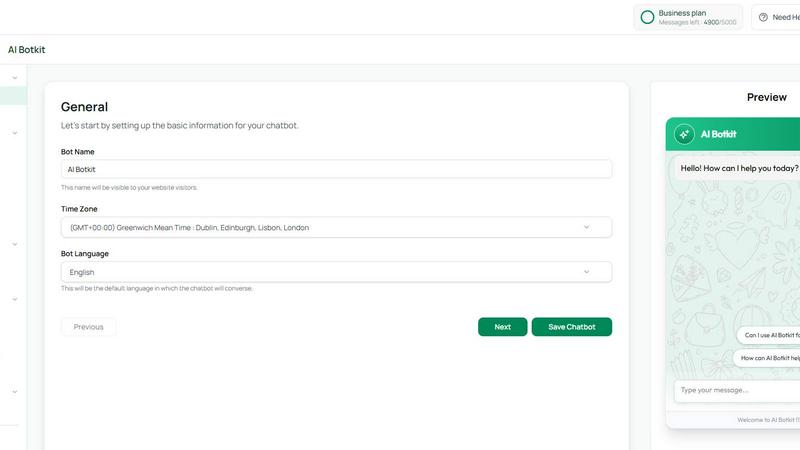
AI Botkit
Jottler
Overview
About AI Botkit
AI Botkit is your express lane to deploying a powerful, intelligent chatbot. It's a lightning-fast, no-code platform that empowers businesses to create and manage AI chatbots in minutes, not days. Forget complex coding or technical hurdles. Simply train your chatbot using your own content—FAQs, documents, website links, or text—and instantly embed it on your site to start automating conversations. The core value is speed and efficiency: immediate 24/7 customer engagement, automated lead capture, and instant answers to common questions, freeing your team for high-value tasks. Built with a seamless human handoff, it ensures a smooth transition when live support is needed. Designed for business owners, marketers, and agencies, AI Botkit delivers a fully-branded, multi-language chat widget with deep analytics, making it the fastest way to add smart, scalable AI assistance to any website.
About Jottler
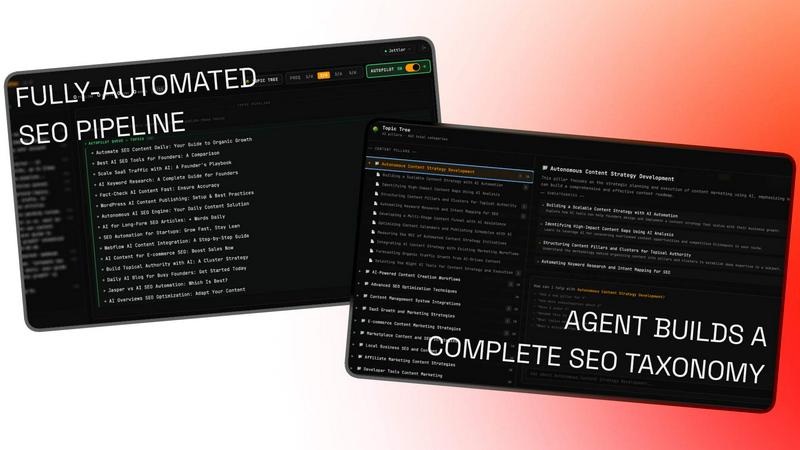
Jottler is an autonomous AI SEO agent that researches keywords, writes high-quality blog posts, and publishes them directly to your website to grow organic traffic automatically.
Built for founders, startups, and small teams, Jottler removes the complexity of SEO and content marketing by running the entire workflow for you—from keyword discovery to article publishing.
Key Features
• Fully automated SEO content pipeline
Jottler continuously discovers keyword opportunities, plans topics, and generates optimized articles for your blog.
• AI-powered keyword research & content planning
Identify high-value search opportunities and build a long-term content strategy automatically.
• Direct CMS publishing
Publish articles straight to platforms like Webflow, WordPress, and other CMS systems without manual work.
• Rich, structured content
Articles include images, formatting, internal links, tables, and SEO-optimized structure.
• Long-form, high-quality articles