

Alternatives to Qamarero
Qamarero lets you run your entire restaurant from any phone, saving time and boosting revenue with all-in-one AI-powered management.
Explore 20 alternatives to Qamarero. Compare features, pricing, and find the best fit for your needs.

Orlyn
Privacy-first, cookieless web analytics that ties your traffic and marketing channels to real Stripe revenue.

Enlisted
Search 20,000+ open-source and SaaS tools by the job you need done or the app you want to replace.

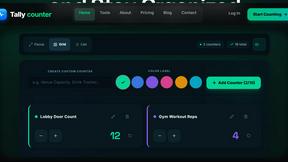
tallycounterweb.com
Online tally counter for tracking attendance, workouts, inventory, sports scores, visitors, habits, and everyday counting tasks.
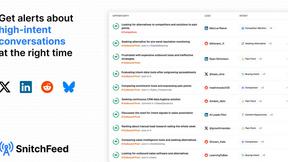
SnitchFeed
SnitchFeed is an agentic social listening tool that surfaces high-intent conversations on LinkedIn, X, Hackernews, and more for GTM and product teams.
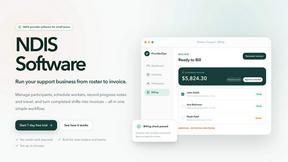

AkraLabs
Where modern software products get discovered, launched, and distributed. Explore verified AI tools, SaaS startups, and developer software.
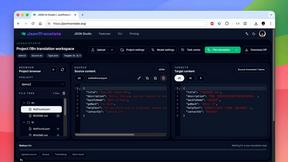
JsonTranslate
Translate JSON, Markdown, and TXT files while preserving keys, nested paths, and project structure.


Labrynth AI
AI regulatory intelligence platform that turns complex requirements into cited, audit-ready outputs.

Murphi
AI-native healthcare platform for clinical documentation, revenue assurance, patient payments, compliance, and payer contract analysis.

Built2WinWeb AI Strength Scanner
Custom PHP websites, AI Indexing Pack ($599 one‑time), and WebAgentScan SaaS ($9/mo). MCP, A2A, llms.txt, full ownership.
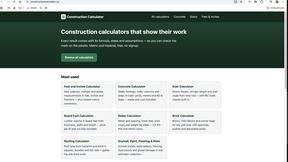
Construction Calculator
Free construction calculators with transparent formulas, steps, assumptions, and metric or imperial units.
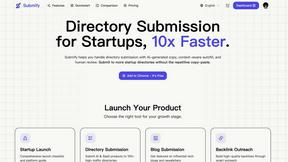
Submify
AI-assisted directory submissions, listings, and backlink workflows for founders and SaaS teams.

AutoGeo
GEO SEO content engineering for multilingual content, publishing, and AI search visibility.
Eleventor Design
Eleventor Design is an independent product studio creating Android apps, privacy-first web tools, and mini games. They also offer product strategy.

About Qamarero Alternatives
Qamarero is a mobile-first all-in-one restaurant management platform that replaces the typical stack of five to seven disconnected tools—POS terminals, reservation apps, delivery aggregators, spreadsheets, and paper time clocks—with a single system that runs entirely on any phone or tablet. It falls squarely in the restaurant software category, covering everything from point of sale and QR ordering to inventory tracking, staff scheduling, and AI-powered phone answering. Users commonly look for alternatives when they need a more budget-friendly subscription model, require deeper integrations with specific local delivery or accounting platforms, or want a solution that scales differently for smaller pop-ups versus multi-location chains. When evaluating alternatives, speed of deployment and ease of use should be your top priorities—look for a system that goes live in hours, not weeks, and requires no proprietary hardware. Also consider the breadth of built-in features: the best alternatives eliminate the need for separate training and siloed data by unifying POS, table management, CRM, loyalty, and analytics into one dashboard. Finally, assess language support, real-time reporting capabilities, and whether the platform offers modern AI tools like voice agents to handle customer calls, since these features directly impact operational efficiency and order accuracy.